

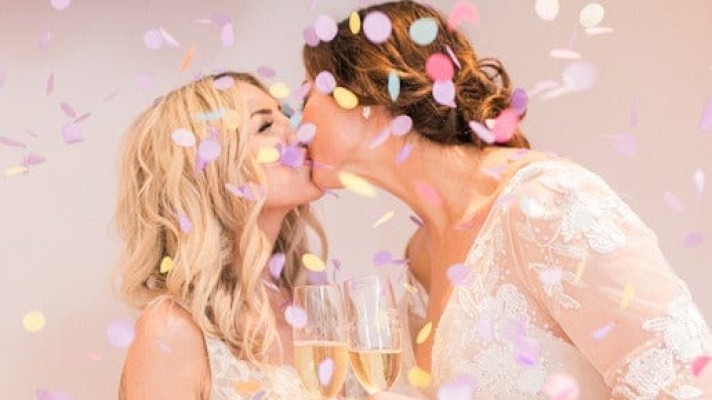
Sample sale wedding dress shopping is one of the best-kept secrets in bridal, and it’s becoming considerably less secret. Word has spread among budget-conscious brides that the sample sale route offers access to designer and luxury-quality gowns at prices that make the traditional full-price bridal boutique experience look like an entirely different market. But sample sale shopping has its own rules, its own rhythms, and its own potential pitfalls, and the brides who have the best experiences are the ones who walk in knowing what they’re dealing with. Here is everything you need to know before you start.
What a Sample Sale Wedding Dress Actually Is
A sample gown is the dress a bridal boutique or designer showroom used as a floor display, a fitting sample, or a trunk show piece. These gowns have been tried on, handled, and shown to customers, but they have not been worn down an aisle. When a boutique discontinues a style, clears inventory for a new season, or closes out a line, these gowns become available at a significant discount from their original retail price.
The discount is real and meaningful. Sample gowns from premium and designer labels frequently sell for 40 to 70 percent below their original retail price, and in some cases more. A gown that retailed at several thousand dollars becomes accessible at a price point that most brides would consider genuinely affordable rather than a significant financial stretch.
The trade-off is that you’re shopping from existing inventory rather than ordering a new gown made to your measurements, which means size availability is what it is and timeline is not a variable you can control. Understanding and accepting those parameters going in is what separates a successful sample sale experience from a frustrating one.
Size and Fit: Setting Realistic Expectations
Sample gowns are produced in a limited range of sizes for display purposes, and the available inventory at any given time reflects whatever sizes the boutique happened to purchase. This is the single most important practical consideration for sample sale shopping, and it’s worth addressing directly before you get emotionally invested in a gown that can’t be made to work.
Alterations are almost always part of the sample sale equation. Very few brides step into a sample gown and find that it fits perfectly off the rack, and the expectation of alterations should be built into your budget from the beginning. A skilled seamstress can take a gown in significantly, adjust the hem, add or remove structure, and make modifications that transform a gown that fits approximately into one that fits beautifully.
Taking a gown out, however, is more limited by the seam allowances built into the original construction. If a sample gown is more than two sizes too small, the alteration options narrow considerably and the cost can approach a point where the sample discount is partially absorbed. Knowing your measurements, being honest about what alterations are realistic, and having a seamstress you trust available for consultation before you commit are all habits that protect you from a purchase you’ll regret.
What to Bring to a Sample Sale
The brides who make the best sample sale purchases arrive prepared. The impromptu approach, stopping by on a whim without the tools and people to make a genuine decision, consistently produces either missed opportunities or impulsive commitments neither outcome is ideal.
Bring to every sample sale appointment:
- Your precise measurements: bust, waist, hips, and height in heels
- Shoes at approximately the heel height you intend to wear, since hem length decisions depend entirely on this
- The undergarments you plan to wear, or the closest equivalent, because fit changes meaningfully with different foundation pieces
- At least one trusted companion whose opinion you genuinely value and who will be honest with you
- A phone with a fully charged battery for photos and video
- Cash or a card, since sample sales often require immediate purchase decisions and some operate on a cash-preferred basis
- A flexible mindset, because the gown you fall in love with may be nothing like what you pictured
Condition: What to Check Before You Buy
Sample gowns have been handled, tried on, and displayed, and their condition reflects that history to varying degrees. A thorough inspection before purchase is not optional. It’s the most important step in the transaction.
Check the following before committing to any sample purchase:
- The hem: Floor-length gowns in bridal boutiques accumulate wear at the hem from foot traffic during fittings. Check for discoloration, fraying, and general condition, and factor cleaning and possible hem replacement into your cost assessment
- Zipper and closure integrity: Test every closure mechanism. Zippers that catch, buttons that have been repeatedly stressed, and corset lacing that has been over-tightened all show wear that needs to be addressed before the wedding day
- Boning and structure: Press gently along the bodice to check for bent, broken, or misaligned boning, which affects both the look and the comfort of the gown
- Fabric condition: Hold the gown up to natural light and look for snags, pulls, fading, and any staining, particularly on the skirt and train where contact with hands, shoes, and surfaces during fittings is highest
- Beading and embellishment: Check that decorative elements are fully intact and securely attached, since missing beads or loose embellishments on a heavily detailed gown can be difficult and expensive to match and replace
Minor condition issues are almost always addressable by a skilled alterations specialist and a professional bridal cleaner. Significant damage in a critical area should factor directly into your price negotiation or your decision to walk away.
The Alterations Budget Question
Every experienced bridal consultant will tell you the same thing: budget for alterations before you budget for the gown, not as an afterthought after you’ve already committed. Alterations costs for wedding gowns vary significantly based on the complexity of the gown, the extent of the work required, and the expertise of the seamstress, and they can range from a few hundred dollars for basic hemming and taking-in to considerably more for complex structural work on heavily constructed or embellished gowns.
The practical approach is to set a total bridal budget that encompasses both the gown and the alterations, then find the best gown you can within the portion of that budget allocated to the purchase itself. A stunning sample gown purchased at a significant discount still needs to leave enough room in the budget for the work that gets it fitting perfectly, and a dress that exhausts your entire budget at purchase with nothing left for alterations is a less complete value than it appears at first look.
Timing and the Sample Sale Calendar
Sample sales tend to cluster around specific times of year that correspond to bridal industry inventory cycles. Post-trunk-show clearances happen throughout the year as boutiques rotate designer collections. End-of-season inventory sales typically occur in the late winter and early fall. Boutique closing sales and special clearance events happen less predictably but often offer the deepest discounts.
Signing up for email lists from bridal boutiques you’re interested in is the most reliable way to be notified of upcoming sales before they’re widely advertised. Sample sales move quickly, inventory is limited, and the gowns that photograph well sell first, often within hours of a sale opening. Being on a boutique’s direct communication list rather than discovering a sale through social media after the fact consistently produces better access to better inventory.
Beyond the Traditional White Gown
Sample sale shopping also opens the door to styles that brides might not have considered at full price but are willing to explore when the financial risk is reduced. The bridal market has expanded dramatically in recent years to include gowns that depart significantly from the conventional silhouette and color palette, and these styles often sit in sample inventory longer than traditional white gowns, which means the selection and the pricing can both be favorable.
Non-traditional styles worth exploring in a sample sale context include structured minimalist gowns in silk and crepe, heavily embellished reception dresses designed for the dancing portion of the evening, and contemporary separates that allow the top and skirt to be worn independently after the wedding. Each of these represents a different kind of value proposition from the traditional full-price gown purchase, and the sample sale format makes the exploration feel lower-stakes and more genuinely fun.
Find Your Dress at Luxe Redux
Sample sale wedding dress shopping rewards preparation, flexibility, and knowing where to look for quality inventory at genuinely competitive prices. Whether you’re ready to buy your dream wedding dress from a curated sample collection, looking for a striking black wedding dress that makes a statement on your terms, or searching for wedding dresses with sleeves that combine elegance with coverage, Luxe Redux Bridal offers an exceptional selection of sample and off-the-rack gowns for brides who want designer quality without the designer wait time or price tag. Explore the collection today and find the gown that was made for you.


Leave a Reply