

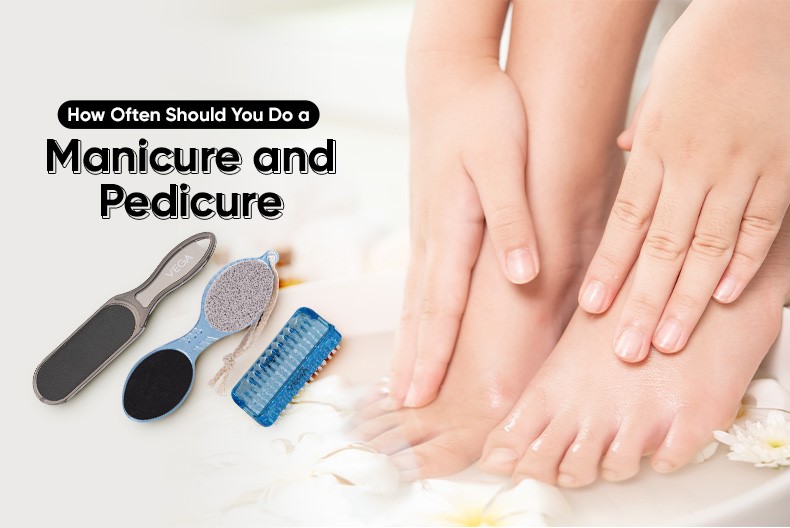
Manicures and pedicures are more than beauty treatments. Regular nail care can help keep your hands and feet looking neat while supporting healthy nails, cuticles and skin. However, doing them too frequently or using harsh techniques can sometimes lead to dryness, irritation or weakened nails. But how often should you actually get a manicure pedicure routine done? The ideal frequency depends on your nail growth, lifestyle, skin type and the type of treatment you choose. In this blog, we shall discuss the frequencies, how you can get them done and which tools should you use.
Factors That Determine How Often Should You Get a Manicure and Pedicure
There is no single schedule that works for everyone as individuals differ from one another. Consider these factors when deciding how often you should get your manicure and pedicure tools ready for a soothing DIY session at home:
- Your Nail Growth: Everyone’s nails grow at a different rate. If your nails grow quickly, you may notice visible growth between manicures and need more frequent maintenance. Slower-growing nails may stay neat for longer.
- Your Lifestyle: Your daily activities can affect how long a manicure or pedicure lasts. Frequent swimming, cleaning, gardening, cooking, sports and manual work can cause nails to chip quickly. If your hands and feet experience a lot of wear and tear, you may need more frequent basic maintenance.
- Your Skin Type: People with dry skin, rough heels or easily irritated cuticles may need more regular exfoliation and moisturising rather than more frequent intensive treatments.
- Condition of Your Nails: If your nails are brittle, peeling, unusually thin or damaged, give your nails time to recover and avoid aggressive filing, buffing or repeated harsh polish removal.
Essential Tools for a Complete Manicure and Pedicure Routine
A good manicure and pedicure routine is not just about applying cleaning and moisturizing. The right tools can help you shape your nails, smooth rough skin, care for cuticles, and maintain neat, well-groomed hands and feet between salon visits. Here are some essential tools to include in your routine.
3 in 1 Pedicure Tool: For Smoother, Softer Feet
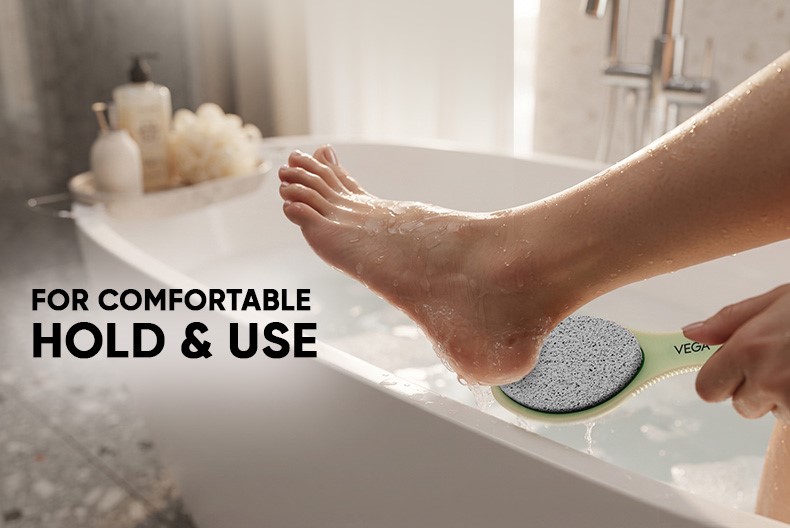
A pedicure tool that comes with multiple surfaces such as a pumice stone, brush and emery base makes for the perfect tool to soften corns and calluses as well as remove hard dry skin on feet. They work gently but effectively on the skin, making the pedicure tool perfect for regular use at home. Here’s how you can use it:
- Black Emery Foot File: Smooth feet
- Foot Brush: Clean dead skin and debris
- Pumice Stone: Exfoliate skin
- Nail Files: For Smooth, Well-Shaped Nails
Nail Files are essential manicure tools for both manicures and pedicures, both at home and on the go. They work to shape the nails, smooth rough edges and prevent small snags that can lead to further splitting or breakage.
When filing your nails, use gentle strokes and avoid excessive pressure. Rather than going back and forth, file carefully in one direction only to achieve your preferred shape. Keep your nail file clean for the best results and to maintain hygiene.
Nail Buffer: For a Smooth Nail Surface
A nail buffer with 4 sides in one can help smooth minor ridges and create a naturally polished appearance. Buffing can be useful before applying nail polish, as a smoother surface may help create a more even-looking finish. However, moderation is important. Over-buffing can thin the nail plate and make nails more prone to weakness or breakage. Use a gentle buffer only occasionally and avoid excessive pressure.
Nail Clipper or Nail Cutter: For Maintaining the Right Length
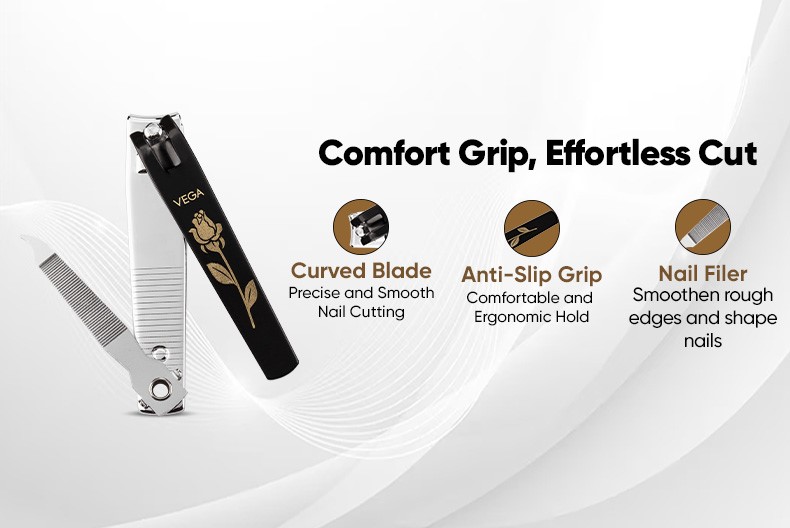
Your fingernails should be trimmed every 1–2 weeks, depending on how quickly they grow and your preferred nail length. But you must ensure the use of the best Nail Clippers featuring stainless-steel material and curved blades for that smooth and precise trim. Also look for a nail cutter that comes with an anti-slip grip for a safe and comfortable hold along with a built0in nail filer to get those edges smoothened after a trim.
Toenails often need trimming less frequently, approximately every 2–4 weeks as they grow slower than finger nails. When trimming toenails, cutting them relatively straight across can help reduce the risk of the nail edge growing into the surrounding skin. Also, avoid cutting nails excessively short as they can cause skin irritation.
Cuticle Pusher: For Gentle Cuticle Care
The Vega Soft Touch Cuticle Trimmer and Pusher can be used to gently push back softened cuticles during a manicure and trim out dead cuticles and dead skin. Your cuticles protect the area where the nail grows and so, it should not be aggressively removed or cut unnecessarily. For easier and more comfortable use, soften the area first by washing your hands or soaking them briefly. Use gentle pressure and avoid pushing too deeply. If your cuticles are dry, apply cuticle oil or moisturiser regularly to keep them soft and healthy-looking.
Foot File: For Managing Rough and Dry Skin
A foot file makes for a useful addition to your Pedicure Sets to smoothen dry or rough areas on the feet. Use light, controlled strokes and avoid removing too much skin in one session. The goal is to gently smooth rough areas and not to make the skin overly thin or sensitive. Follow up with a moisturising foot cream to help keep the skin soft between pedicures.
How Often Should You Get a Pedicure?
A pedicure is generally recommended at least once a week for most people. Dead skin cells tend to accumulate on your heels and feet easily. Hence, they require regular exfoliation to maintain feet health. People who regularly wear open-toe footwear, exercise often or experience dry or rough feet may prefer a more frequent routine. However, a pedicure should focus on gentle care with the use of the best quality pedicure tools online rather than aggressive removal of hard skin.
Additionally, toenails grow more slowly than fingernails, so they typically do not require grooming as frequently. Regular moisturising at home can also extend the time between pedicures and help prevent cracked heels and excessive dryness.
How Often Should You Get a Manicure?
For most people, a manicure session every 2 to 3 weeks is a practical routine. This gives your nails enough time to grow while allowing you to maintain their shape and keep the surrounding skin moisturised. If you use regular nail polish, you may want a manicure every 1–2 weeks if the polish chips quickly.
Instead of having to book a salon appointment, you can easily enjoy manicure at home with Vega manicure tools that are available in wide varieties and made with the highest quality materials. Following simple nail maintenance such as trimming and filing to moisturising and ensuring cuticle care, you can keep your hands looking well-groomed and healthy.
Final Thoughts
Getting a manicure and pedicure regularly provides a good balance between regular grooming and allowing the nails and skin to remain healthy. You must how often should you get a pedicure and manicure depending upon your skin’s health and ensure you do not avoid or overdo it. The goal of regular manicure and pedicure care is not simply polished nails but maintaining clean, healthy, comfortable and well-groomed hands and feet.




Leave a Reply