

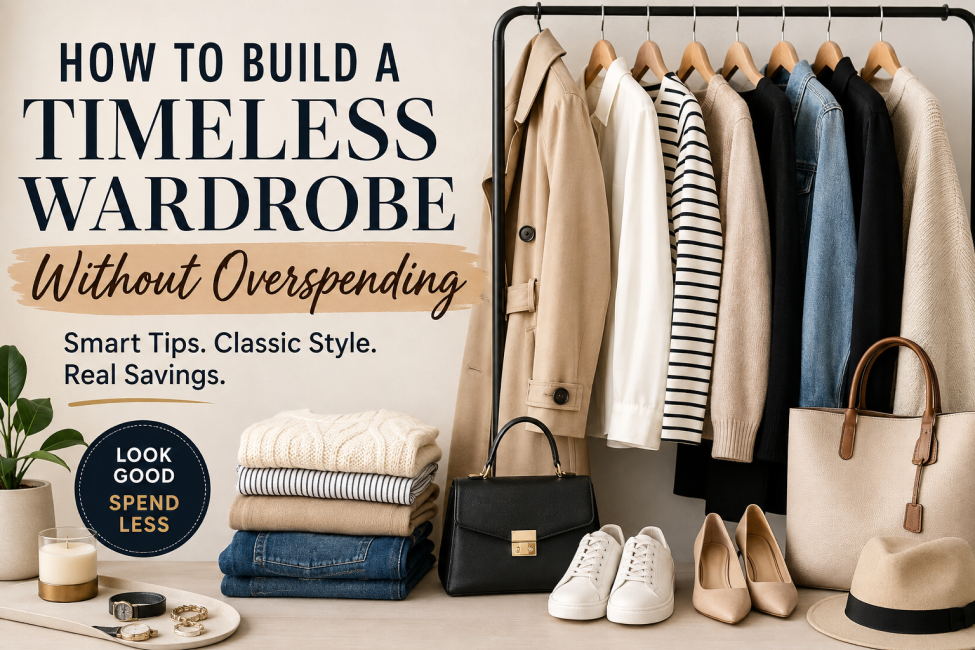
How to build a timeless wardrobe without overspending using versatile basics, smart shopping, and simple styling tips that save money.
How To Build A Timeless Wardrobe: Smart & Stylish
A timeless wardrobe is built around versatile, well-fitting clothes that work across seasons and occasions. Focus on quality basics, neutral colors, classic silhouettes, and thoughtful purchases. You do not need a huge budget or a packed closet. The goal is to buy fewer pieces that you will actually wear.
Have you ever opened a closet full of clothes and still felt like you had nothing to wear? 😩
The problem may not be your wardrobe size. It could be the way you shop. Trends come and go quickly, while classic clothing can stay useful for years. The good news is that building a timeless wardrobe does not require designer labels or expensive shopping trips.
You can create a stylish, practical closet by choosing versatile pieces, setting spending limits, and shopping with a plan. Think of it as building a wardrobe that works harder, not one that simply takes up more space.
🧥 Start With What You Already Own
Before buying anything, take a serious look at your current closet. Pull out the clothes you wear often and separate them from pieces you rarely touch. You may already own several useful wardrobe staples without realizing it. A simple white shirt, dark jeans, black trousers, or neutral sweater can become the foundation of many outfits. Shopping less begins with understanding what you already have.
Create three simple piles: keep, repair, and reconsider. Donate or sell items that no longer fit your lifestyle, but avoid throwing away usable clothing just because it feels boring. Classic pieces often become valuable once you style them differently. 👕 A wardrobe audit can also reveal gaps that are actually worth filling.
🎯 Define Your Personal Style
A timeless wardrobe does not mean everyone should dress the same way. Your ideal closet should reflect your lifestyle, work environment, climate, and personal taste. Someone working from home needs different basics than someone working in a formal office. Think about the outfits you naturally reach for when you want to feel comfortable and confident.
Look through your existing clothes and identify patterns. Maybe you prefer clean lines, relaxed denim, classic tailoring, or simple feminine pieces. Choose three to five style words that describe what you want your wardrobe to communicate.
Examples include:
- Classic
- Minimal
- Relaxed
- Polished
- Feminine
- Casual
- Modern
These words become a useful filter when you are tempted by something trendy.
👚 Build Around Versatile Wardrobe Basics
The best wardrobe essentials are pieces you can wear in several different ways. A neutral blazer, for example, can work with jeans, trousers, skirts, or dresses. A plain T-shirt can be layered under a jacket or worn with denim for a casual outfit. Versatility gives every purchase more value.
You do not need every basic listed online. Start with the pieces that match your actual lifestyle. A useful foundation might include:
- A well-fitting pair of jeans
- Neutral trousers
- A simple white or neutral shirt
- Quality T-shirts
- A versatile sweater
- A classic jacket or blazer
- A simple dress
- Comfortable everyday shoes
- A practical handbag
- A versatile outer layer
| Wardrobe Piece | Why It Matters | Easy Pairings |
| Dark Jeans | Works across casual settings | T-shirt, shirt, blazer |
| White Shirt | Easy to dress up or down | Jeans, trousers, skirts |
| Neutral Blazer | Adds polish quickly | Denim, dresses, trousers |
| Simple Sweater | Useful across seasons | Jeans, skirts, trousers |
| Classic Shoes | Completes many outfits | Workwear, casual looks |
🎨 Choose A Simple Color Palette
Color can make a wardrobe feel much larger than it really is. Neutral shades such as black, white, navy, gray, beige, brown, and cream are easy to combine. You can then add a few colors that suit your personality.
Try choosing two or three main neutrals and two accent colors. This creates more outfit combinations without requiring more clothes. For example, navy, cream, and denim can form a strong base. Burgundy or forest green can then add personality without overpowering the wardrobe.
Tip: If you cannot imagine wearing a new item with at least three things you already own, pause before buying it.
💰 Set A Realistic Clothing Budget
A timeless wardrobe becomes much easier to build when you know how much you can comfortably spend. You do not need to buy everything at once. In fact, rushing often leads to unnecessary purchases.
Set a monthly or seasonal clothing budget based on your actual finances. Then divide that amount between essentials, replacements, and occasional wants. This approach keeps fashion spending intentional.
| Shopping Priority | Budget Approach | Example |
| Essential | Highest priority | Replacing worn-out jeans |
| Useful Upgrade | Planned purchase | Better-quality blazer |
| Seasonal Need | Moderate priority | Warm winter sweater |
| Trend Item | Small allowance | Current accessory |
| Impulse Purchase | Avoid | Something with no outfit plan |
A simple rule can help: buy because you need it, not because it is on sale. A 50% discount still costs money if you never wear the item.
🛍️ Learn To Shop More Strategically
Smart shopping is one of the easiest ways to create an affordable wardrobe. Start by making a list before visiting stores or browsing online. Check your closet first, then identify the exact item that would fill a real gap.
Compare fabric, construction, fit, and expected wear. A slightly more expensive item may offer better value if you wear it twice as often. However, expensive does not automatically mean high quality.
Before buying, ask yourself:
- Does it fit comfortably today?
- Can I create three outfits with it?
- Does it match my existing colors?
- Will I wear it regularly?
- Would I still want it without the discount?
If the answers are mostly yes, the purchase has a stronger chance of earning its place in your closet.
🧵 Focus On Quality Where It Counts
You do not need premium clothing across the board. Instead, spend more selectively on pieces that receive frequent use. Shoes, coats, bags, denim, and tailored outerwear may deserve more attention because they often experience heavy wear.
For less important trend pieces, a lower price can make sense. The key is understanding cost per wear rather than simply looking at the price tag.
For example, a $120 jacket worn 60 times costs $2 per wear. A $30 top worn twice costs $15 per wear. The cheaper item was actually more expensive based on usage.
🔄 Use The Cost-Per-Wear Method
Cost per wear is a simple way to make better fashion decisions. Divide the item’s price by the number of times you realistically expect to wear it. This helps you see why a reliable staple can sometimes be a smarter investment than several cheap pieces.
Imagine you are choosing between two coats. One costs $80 and looks exciting but only matches a few outfits. Another costs $150 but works with most of your wardrobe. If you wear the second coat regularly for several years, its long-term value may be much higher.
| Item | Price | Estimated Wears | Cost Per Wear |
| Trendy Top | $35 | 5 | $7.00 |
| Basic Shirt | $50 | 25 | $2.00 |
| Classic Blazer | $120 | 50 | $2.40 |
| Winter Coat | $180 | 90 | $2.00 |
You do not need exact predictions. Even rough estimates can stop you from making emotional purchases.
🧺 Shop Secondhand And During Sales
Secondhand shopping can dramatically reduce the cost of building a classic wardrobe. Thrift stores, consignment shops, resale platforms, and vintage stores can offer excellent options. Classic clothing often has a longer style life than trend-driven pieces, making resale shopping especially useful.
Sales can also help, but timing matters. Shop for specific needs instead of browsing simply because prices are reduced. End-of-season sales can be useful for coats, sweaters, and other seasonal essentials.
The best discount is money you never spend. 🛒
That mindset makes it easier to ignore attractive deals that do not solve a real wardrobe problem.
✨ Add Trends In Small Doses
A timeless wardrobe does not have to be boring. Trends can add freshness when used carefully. The trick is to keep trendy purchases smaller and less expensive.
Accessories are often a great place to experiment. A colorful scarf, modern sunglasses, statement earrings, or trendy handbag can update classic outfits without requiring a complete closet makeover.
Keep your major purchases classic and let smaller pieces carry seasonal trends. This approach gives you flexibility without constantly replacing your wardrobe.
🧼 Take Care Of Your Clothes
One of the cheapest ways to improve your wardrobe is to make your existing clothes last longer. Follow care labels and avoid unnecessary washing when possible. Fold knitwear properly, hang structured clothing on suitable hangers, and repair small problems before they become major ones.
A missing button or loose seam does not always mean an item belongs in the trash. Basic clothing repairs can extend the life of your favorite pieces. 🧵 Proper storage also helps protect clothing from stretching, fading, and unnecessary damage.
Regular care supports sustainable fashion while reducing the need for frequent replacements. Your wallet benefits too.
👗 Create More Outfits With Fewer Pieces
A small wardrobe can still provide plenty of variety. Instead of asking whether you own enough clothing, ask how many combinations your clothes can create.
Try styling one item three different ways. Wear a blazer with jeans for a casual look, trousers for work, and a dress for an evening outfit. The same sweater can work with denim, a skirt, or layered over a collared shirt.
Keep a simple list of outfits you love. Taking quick photos can also help when you are in a hurry. Over time, you will discover combinations that make your wardrobe feel much bigger.
🚫 Avoid Common Wardrobe Mistakes
Building a timeless closet becomes easier when you recognize common shopping traps. One major mistake is buying something simply because it looks great on someone else. Their lifestyle, body shape, styling, and wardrobe may be completely different from yours.
Another mistake is buying clothes for an imaginary lifestyle. If you rarely attend formal events, you probably do not need ten formal outfits. Buy for the life you actually live, while leaving a little room for special occasions.
Avoid these common mistakes:
- Buying multiple versions of the same item
- Choosing poor fit because of a low price
- Following every seasonal trend
- Shopping when bored or stressed
- Ignoring clothing care
- Keeping items that never get worn
A thoughtful wardrobe should make getting dressed easier, not more complicated.
🧠 Build Your Wardrobe Slowly
There is no deadline for creating your perfect closet. A timeless wardrobe is better built over months than rushed over one weekend. Start with your biggest clothing gaps and solve them one at a time.
Use a simple buying order:
- Replace worn-out essentials.
- Add versatile basics.
- Improve frequently worn pieces.
- Add useful seasonal items.
- Experiment with a few trends.
This method protects your budget and gives you time to learn what actually works. Your wardrobe should evolve with you, rather than being replaced every season.
🌿 Make Timeless Style Your Long-Term Strategy
A timeless wardrobe is ultimately about making intentional choices. You do not need expensive brands, a massive closet, or perfectly coordinated outfits. You need clothing that fits your lifestyle, works together, and earns its place through regular use.
Focus on versatility, fit, quality, and personal style. Spend more carefully on pieces that you will wear often, and keep trend purchases limited. Take care of what you own, shop with a list, and give yourself time to build the collection.
The result is more than a stylish closet. It is a wardrobe that saves money, reduces decision fatigue, and makes everyday dressing easier. 👌
How to Build a Timeless Wardrobe in 5 Easy Steps
❓ Frequently Asked Questions
How do I start a timeless wardrobe?
Start by reviewing the clothes you already own. Keep versatile pieces and identify genuine gaps. Then slowly add neutral, well-fitting essentials.
What clothes should every wardrobe have?
Most wardrobes benefit from versatile basics such as jeans, shirts, T-shirts, trousers, sweaters, and comfortable shoes. Your exact list should match your lifestyle. Choose pieces you can style in several ways.
How can I build a wardrobe cheaply?
Shop your closet first and create a specific buying list. Consider secondhand stores and sales for items you genuinely need. Avoid purchases that only seem attractive because they are discounted.
What colors make a wardrobe timeless?
Neutral colors such as black, white, navy, gray, cream, beige, and brown are highly versatile. Add a few personal accent colors for variety. The best palette is one that works naturally with your existing clothes.
How many clothes should a timeless wardrobe have?
There is no perfect number for everyone. Your wardrobe should contain enough useful pieces for your lifestyle and laundry routine. Quality, versatility, and regular wear matter more than the total number of items.
Leave a Reply