

How Online Color Analysis Changed My Fashion and Makeup Routine
When I first heard that a single color analysis session could save people from years of bad shopping decisions, I honestly thought it sounded exaggerated. I work in fashion content and see trends come and go every season, but I also see what happens in real wardrobes: clothes with tags still on, impulse buys that never quite feel right, and makeup shades that stay untouched at the bottom of a drawer.
Somewhere between posting outfit reels and testing new lipsticks, I realized I was doing the same thing, owning more than I actually wore. That was the moment I decided to document my own journey with online color analysis and share what actually changed in my fashion and makeup routine after going through a structured, expert-led process.
Why Fashion Creators Are Turning to Color Instead of More Clothes
As a fashion content creator, my job is to experiment with outfits, silhouettes, textures, and makeup looks. But behind the polished thumbnails and carefully chosen angles, there’s a quieter reality. Some looks simply don’t work in real life, no matter how trendy they appear on screen.
I kept noticing a pattern that had nothing to do with price or brand. Certain colors made my skin look dull on camera, even when my base makeup was carefully done. Some blazers sharpened my features, while others made me look tired. Lipsticks that went viral felt off the moment I saw the footage back. It wasn’t the clothes or the products that were failing; it was how their colors interacted with my natural features.
At that point, I realized I needed more than taste and inspiration. I needed a framework. That curiosity led me into the world of online color analysis, a space where fashion and beauty are viewed through the lens of undertone, depth, and brightness rather than just trend and aesthetic.
A Color Analysis Platform That Felt Different
What made the process feel more trustworthy was the way the site itself was presented. Agile Styling felt less like a standard fashion page and more like a guided style experience built around real transformation. It focuses on online color analysis as an educational process, helping people identify the shades that suit them best and then apply those colors to fashion, makeup, and everyday presentation. Instead of pushing vague style advice, it offers structure, clarity, and a more personal way to make fashion decisions.
Behind the Scenes of an Online Color and Beauty Consultation
From a user’s perspective, a professional online color analysis doesn’t begin with a quick “What’s your season?” quiz. It starts with a thoughtfully designed process that makes you feel guided every step of the way.
First comes setting up your account. I received my own login credentials for a secure client portal where everything was organized in one place. Inside, I found detailed instructions explaining exactly how to prepare for the analysis. There were written guidelines, visual examples, and even video demonstrations showing how to take the required photos correctly. The process was incredibly convenient because I always knew what was expected.
Next was the photo submission. I was asked to upload makeup-free photos taken in natural daylight, following very specific guidelines to ensure accurate color evaluation. The instructions explained everything, from lighting and camera angles to clothing and hair placement, so I felt confident that I was providing the best possible material for the analyst.
Then came the waiting period. Unlike instant AI-generated results, this analysis was completed manually by a professional color analyst. Knowing that a real expert was carefully evaluating my photos, facial features, undertones, contrast, and overall harmony made the wait worthwhile. It felt reassuring to know that the result wasn’t automated or rushed.
When my Ultimate Palette arrived, I immediately understood why the process takes time. It wasn’t simply a statement telling me which season I belonged to. It was a complete visual guide designed for everyday life. Along with my personalized color palette, I received real-world color references for clothing, lipstick shades, makeup, leather, denim, patterns, and other wardrobe essentials. Instead of trying to guess which navy, beige, or red would work for me, I finally had clear examples I could confidently shop with.
The palette also came with a practical guide explaining what to do after color analysis. That was one of the most valuable parts because color analysis is only the first step. Instead of leaving me wondering how to apply my results, it showed me exactly how to turn my palette into a personal style I could actually live in.
The entire experience felt less like receiving a report and more like gaining a practical styling system I’ll continue using for years. It’s the kind of resource that lives on your phone, ready whenever you’re shopping, getting dressed, or choosing makeup, making every future decision much easier and far more intentional.
What I Learned About My Fashion and Makeup Choices
The most surprising part of the journey was realizing how many small, everyday decisions were quietly working against me.
I learned that:
- Some of my bold statement colors were overpowering my natural contrast, making my features look harsher and harder to balance on camera.
- Several soft, muted tones I thought were safe were actually draining my complexion, forcing me to rely on heavier makeup just to look awake.
- A few lipsticks and blushes I already owned were exactly right for my palette, I just hadn’t understood why they always looked better than the rest.
Once the palette clicked, everything started to connect:
Fashion: I began filtering clothes by color before anything else. Sale items and fast-moving trends were easier to ignore if they fell outside my range. Shopping turned into building combinations within a cohesive color family, instead of chasing individual pieces with no plan.
Makeup: I stopped trying every new shade just because and focused on tones that sat comfortably inside my palette. My base routine stayed similar, but my lip, cheek, and eye choices became more intentional and more flattering.
Content: On camera, the difference was immediate. My skin looked more even, my features more defined, and my outfits felt purposeful. There were fewer retakes and far less editing to fix color issues.
It felt like turning down the visual noise and turning up what naturally suits me.
The Expert Behind the Analysis
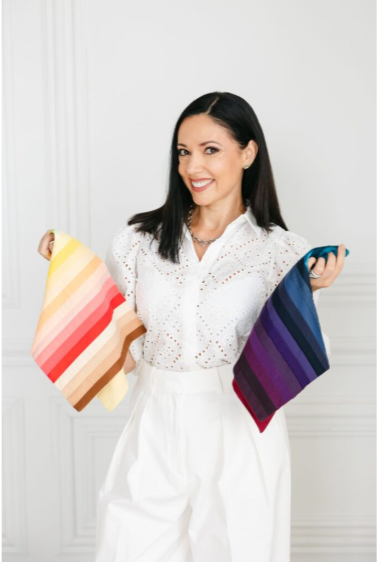
Before submitting my photos, I wanted to know who would actually be analyzing them. It turned out that Agile Styling was founded by Julia Dobkine, a color analyst and image consultant with more than 13 years of experience and over 10,000 clients analyzed worldwide. That immediately gave me confidence that my results would come from years of real expertise rather than software or a standardized formula.
As I researched her work, I found that she has worked with celebrities, television personalities, and high-profile influencers, and has been featured on television and in numerous publications discussing personal color analysis and style. Seeing the caliber of clients who trust her made me feel reassured that I was in experienced hands.
What impressed me even more was learning that every analysis is completed manually. Instead of wondering why it wasn’t delivered instantly, I actually appreciated knowing that someone was carefully studying my features rather than relying on artificial intelligence or an automated system. Color analysis is nuanced, and having an experienced professional evaluate undertone, contrast, depth, and facial harmony felt far more valuable than receiving immediate results.
Although the analysis is rooted in the internationally recognized 16-season color system, it doesn’t feel formulaic. After years of working with thousands of clients, Julia has developed her own methodology that goes beyond simply assigning a season. As I explored her Instagram and watched her client transformations, I could immediately recognize her refined aesthetic, attention to detail, and ability to explain color in a way that felt both artistic and practical. By the time I received my analysis, I already understood why so many people trust her expertise.
How Color Analysis Fits Into Today’s Fashion and Beauty Trends
Zooming out, it’s clear that my experience isn’t happening in isolation. Color analysis has re-emerged as a major topic across fashion and beauty communities. Social media is full of people getting their colors done, posting before-and-after looks, and sharing palette-based capsule wardrobes.
The questions people are asking sound familiar:
- Why do I keep buying clothes I never wear?
- Why does this lipstick look incredible on someone else and wrong on me?
- How can I shop more intentionally without losing the fun of fashion and makeup?
Color analysis offers one kind of answer: it gives structure to those frustrations. Instead of guessing what might work, you’re taught how to see patterns, what complements your natural features, and what consistently fights them.
For someone like me, who spends a lot of time on camera and online, having this kind of framework makes trends easier to navigate. I can still enjoy experimenting, but I do it with a clearer understanding of which colors are most likely to support my look rather than undermine it.
The Practical Changes I Made After My Session
The real value of this experience isn’t in receiving a PDF or hearing a label; it’s in the changes that follow.
Here’s what shifted for me:
- Wardrobe editing: I didn’t empty my closet overnight, but I did move obviously off-palette pieces out of daily rotation. As I leaned into colors that genuinely suited me, the wrong items naturally migrated toward donation or resale.
- Palette-based capsule wardrobe: Using my best tones as a guide, I built a small core of essentials, blazers, tops, and bottoms that mixed and matched effortlessly. This capsule became my base for content days and busy mornings.
- Streamlined makeup bag: I narrowed my lip and cheek products down to the shades that truly lifted my complexion. Getting ready became faster, and everything looked more cohesive in photos and video.
- Trend filtering: When new trends appeared, I stopped asking only “Do I like this?” and started adding “Does this color like me?” That small reframing protected me from a surprising number of regrettable purchases.
Each of these shifts made fashion and makeup feel less chaotic and more intentional, without taking away the fun of experimentation.
Who This Kind of Color-Focused Journey Is Best For
From my perspective, an online color and style experience is especially useful if:
- You feel like you have too many clothes but nothing to wear.
- You’re often unsure which makeup shades truly flatter you.
- You appear on camera regularly and want a more consistent visual identity.
- You enjoy fashion and beauty but crave a clearer strategy behind your choices.
It might feel less urgent if you prefer total spontaneity and see fashion purely as play. Even then, understanding your palette doesn’t lock you into rules; it simply gives you a starting point. You can follow it closely for everyday looks, then bend or break it intentionally for creative projects.
FAQs About My Online Color Analysis Experience
1. Did this experience really change how I shop?
Yes. The biggest change was clarity. Instead of letting every trend or sale sway me, I could quickly spot which colors were likely to become long-term favorites and which would sit unworn. That clarity helped me protect both my wardrobe space and my budget.
2. Is online color analysis enough, or do you still need in-person sessions?
For my needs as a fashion and beauty content creator, the online process was enough because the instructions and evaluation were thorough. High-quality photos and structured guidance produced results that felt reliable. Someone who wants physical draping or fit advice might still choose to add in-person sessions later.
3. How did this impact my makeup routine specifically?
It simplified the entire process. Once I understood which tones brightened my face and which dulled it, I chose lip, cheek, and eye colors with more intention. My makeup became quicker to apply, more cohesive with my outfits, and more flattering on camera.
4. Do you have to follow your palette strictly?
No. A palette is a tool, not a rulebook. I mostly follow it for everyday content and work looks, but I still step outside of it for editorial shoots or themed projects. The difference is that now I understand why something might look off and how to balance it if I choose to wear it anyway.
5. Would you recommend this type of analysis to other fashion creators?
If you’re serious about building a recognizable visual identity, whether on Instagram, YouTube, or any other platform, then yes. Understanding your colors makes styling, shooting, and editing smoother and more consistent. It helps your audience see you clearly, not just your outfits or makeup trends.


Leave a Reply